





Home Gym Buyer's Guide: 8 Steps to Your Perfect Home Gym
You know what hurts more than a heavy squat? Spending thousands of dollars on home gym equipment only to realize six months later that your treadmill is a very expensive clothes rack.
I've seen it happen again and again. The garage that was meant to be a place of strength ends up looking like a storage unit. The dumbbells meant to transform your body gather dust in the corner. And the space you were so excited about? You hardly ever go in there.
Here's the truth: It's not your fault. And it's definitely not a willpower problem.
It's a planning problem.
Most people don't fail at setting up a home gym because they bought the wrong brand or didn't spend enough money. They fail because they never stopped to ask themselves one simple question: What combination of equipment actually fits my space, my goals, and my lifestyle?
This guide will walk you through answering exactly that question. You'll learn the eight steps to create a home gym you actually want to go to—one that supports your training, fits your space, and keeps you motivated week after week.
Let's get started.
Step 1: Start with the space you actually have
You might think "What should I buy first?" But the correct order is: Figure out what your space can handle.
Most home gyms end up in one of four places: garages, spare rooms, balconies, or basements. Each has its own personality—and its own problems.
- Garages: Lots of space, but temperatures swing like a pendulum. That steel rack you bought? In summer, it feels like it's been in an oven. You need to think about ventilation.
- Spare Rooms: Comfortable, climate-controlled, but usually cramped. In tight spaces, one versatile piece of equipment always beats three single-purpose machines.
- Balconies or Semi-Outdoor Areas: Fresh air sounds great until your equipment rusts. Rubber flooring isn't a recommendation here—it's a necessity.
- Basements: Stable temperatures, but dampness can creep in. Good air circulation matters more than you think.
Here's the principle that separates functional gyms from chaotic nightmares: Don't fill the space.
A practical home gym has three things:
- A main lifting zone where you can squat, press, and row without moving furniture
- Clear pathways so you're not tripping over weight plates as you transition between exercises
- Dedicated storage so dumbbells and bands have a home, not scattered on the floor
If you have to move three pieces of equipment just to set up for squats, your motivation is eroding without you realizing it. Every extra step adds friction. And friction kills consistency.
The Space Rule: A good home gym should feel a little empty when you first set it up. That's not a mistake. That's room for growth.
Step 2: Decide what you're training for
"I want to get fit" is a lovely sentiment. But it's useless when you're standing in a store staring at fifty different pieces of equipment.
So, let's get specific.
Do you want to build muscle? Lose fat? Get stronger? Or just stay healthy?
Your answer changes everything.
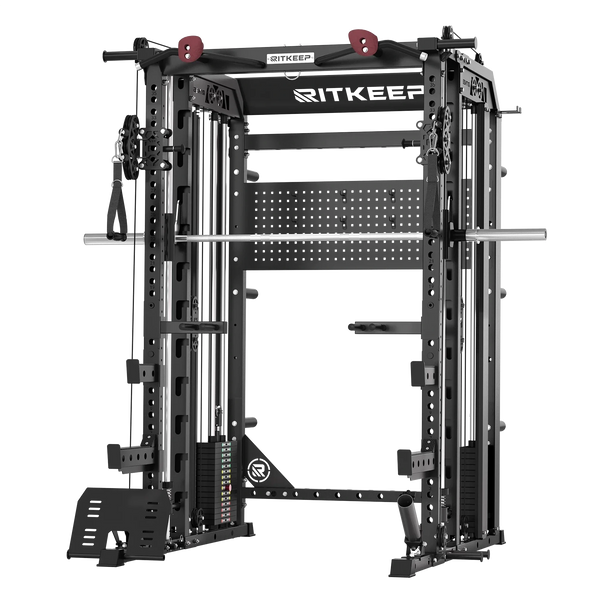
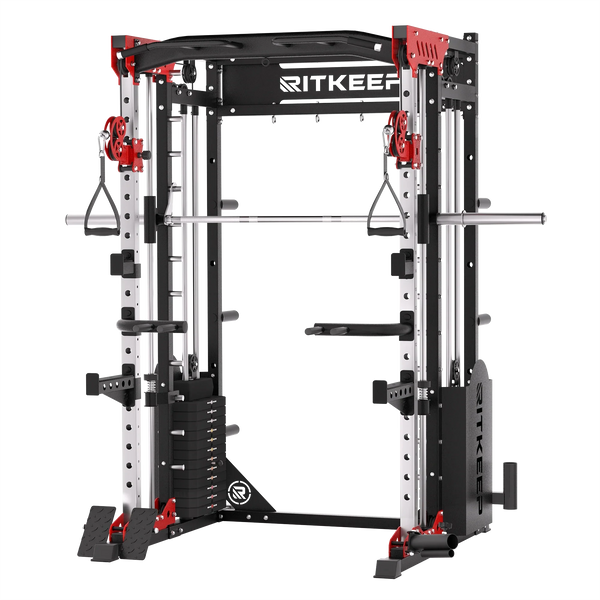
- If strength is your goal, a reliable barbell and a power rack are non-negotiable. You need to be able to load heavy and fail safely.
- If functional training and conditioning are your focus, kettlebells, resistance bands, and a rower will serve you better than a squat rack.
- If you're a beginner looking to build a habit, start small. A pair of adjustable dumbbells and a bench can cover all essential movement patterns for months.
Most people don't need ten different tools. They need three or four core pieces of equipment that cover the fundamentals—push, pull, squat, hinge, carry.
Choose equipment that supports your path to progress, not just variety for variety's sake.
Step 3: Build around core strength equipment
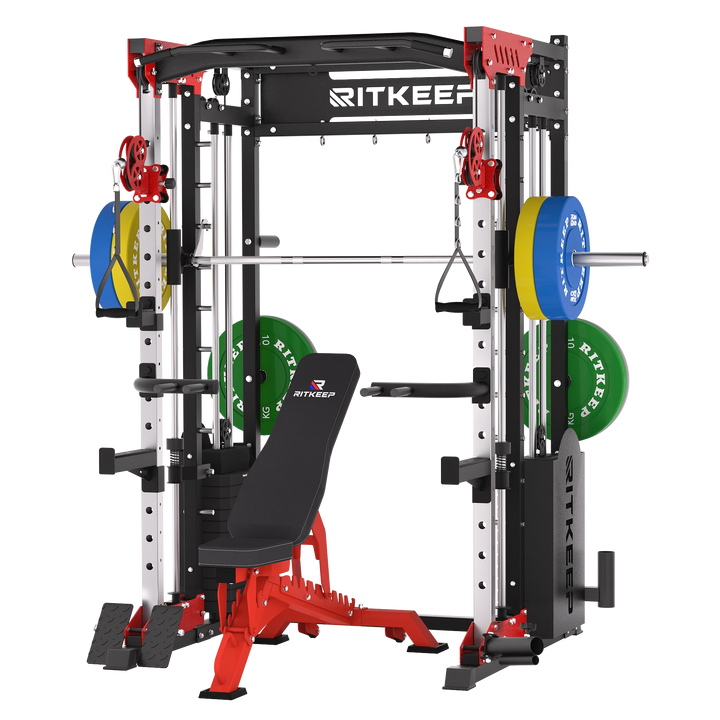
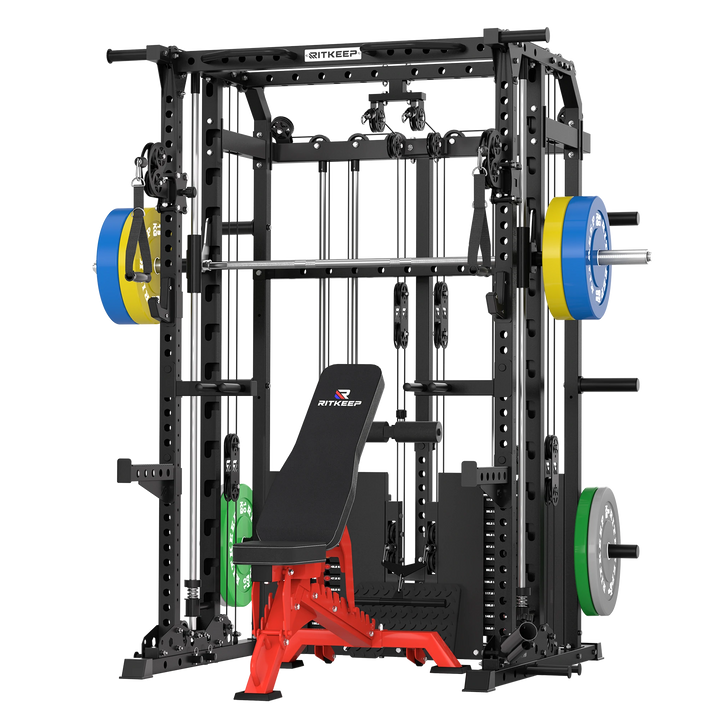
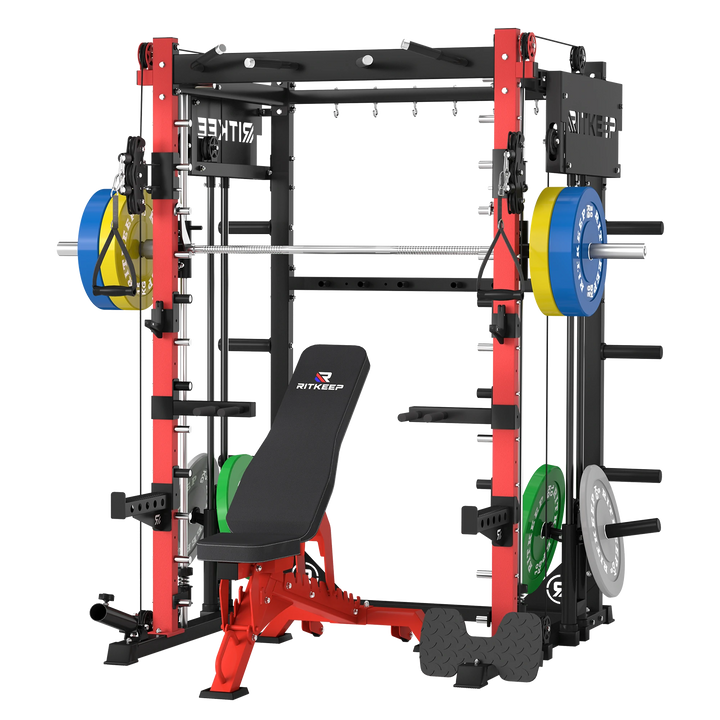
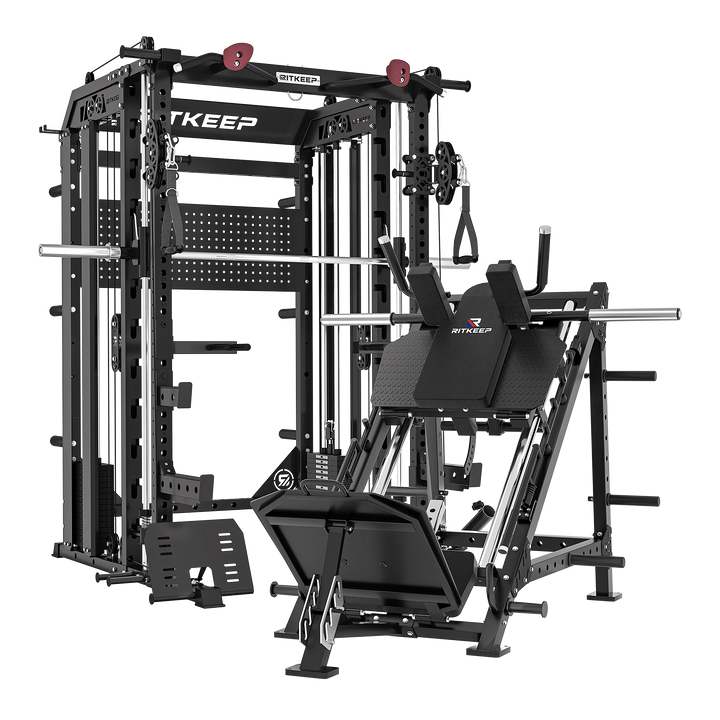
No matter your goal, strength training should be the backbone of your home gym. And when it comes to strength, three pieces of equipment form the foundation:
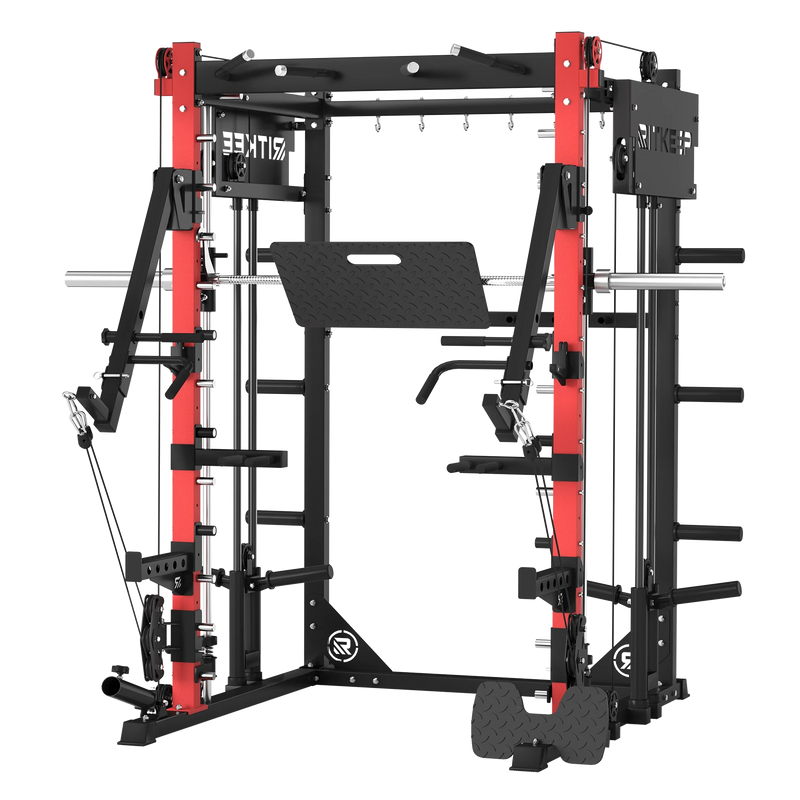
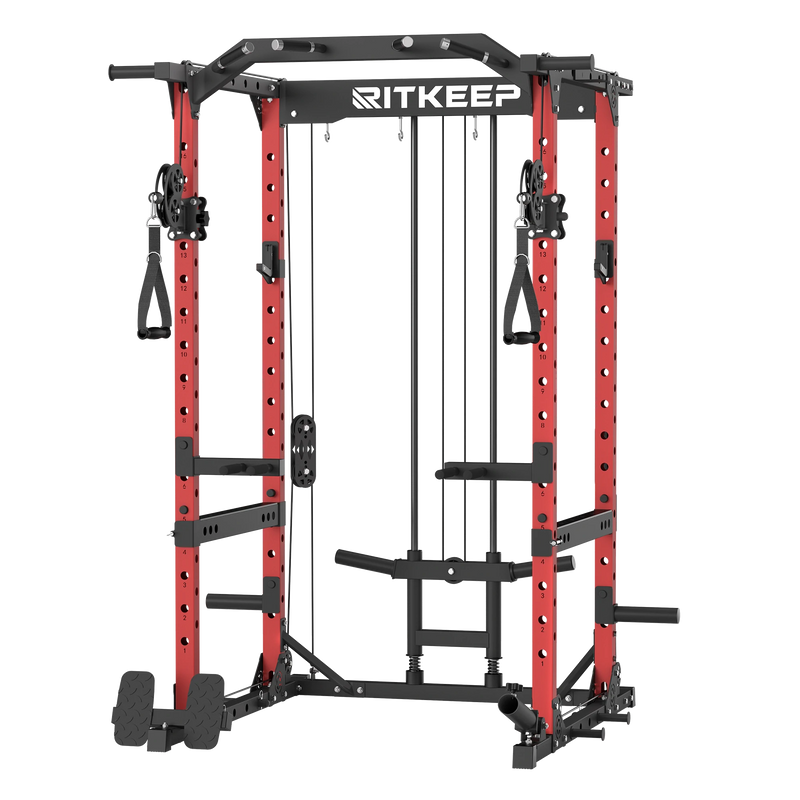
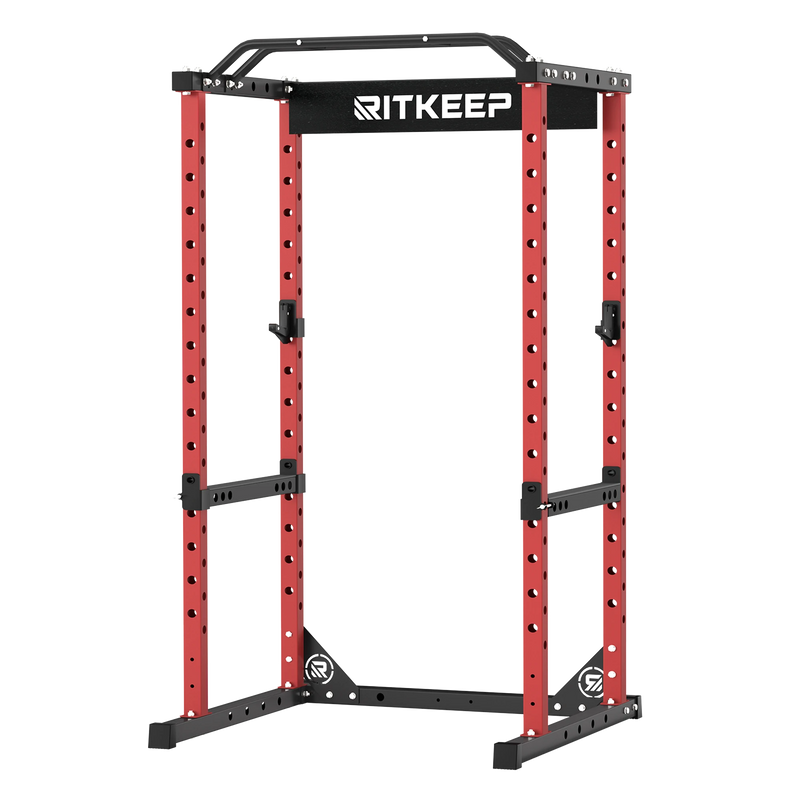
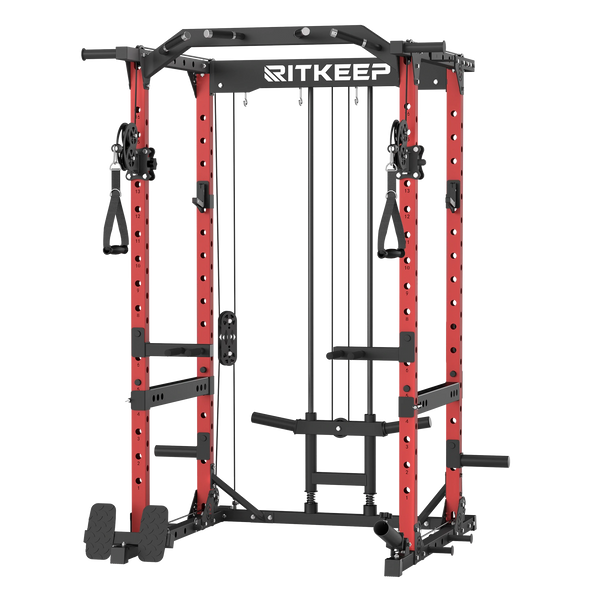
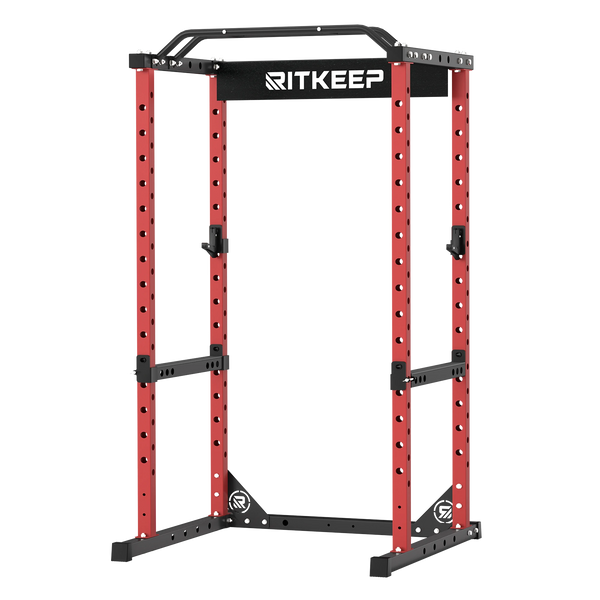
1. Power Rack or Squat Stand
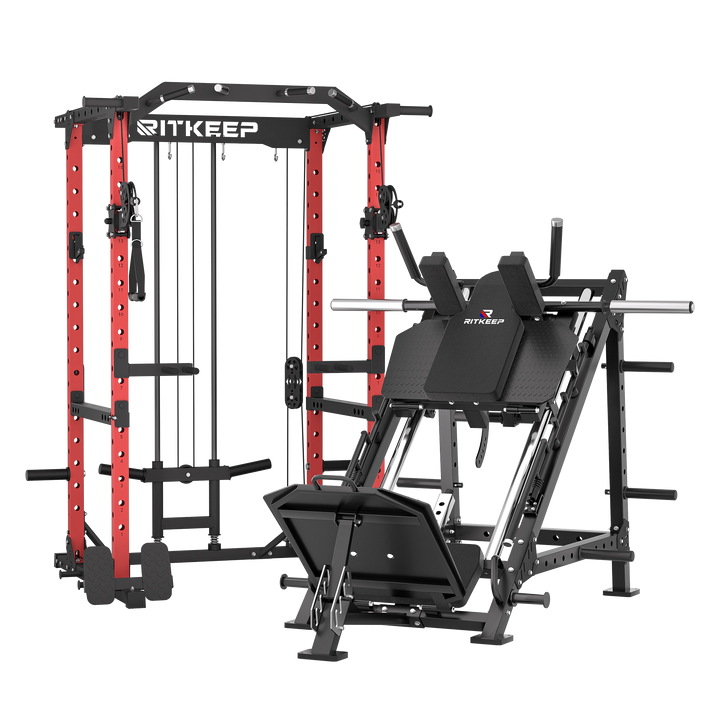
This is your safety net. A rack allows you to squat and bench press alone without worrying about getting pinned under the bar.
How to choose:
- Plenty of space → full-sized power rack. Maximum stability, maximum safety.
- Limited space → half rack or folding rack. Some fold flat against the wall when not in use.
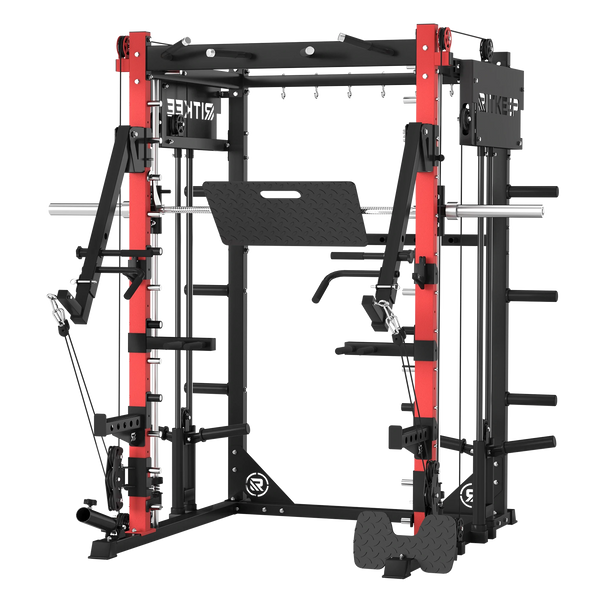
Look for three things: steel gauge (3mm or more means it won't wobble in years), safety arms that catch failed lifts, and the ability to add attachments like a pull-up bar or dip station.

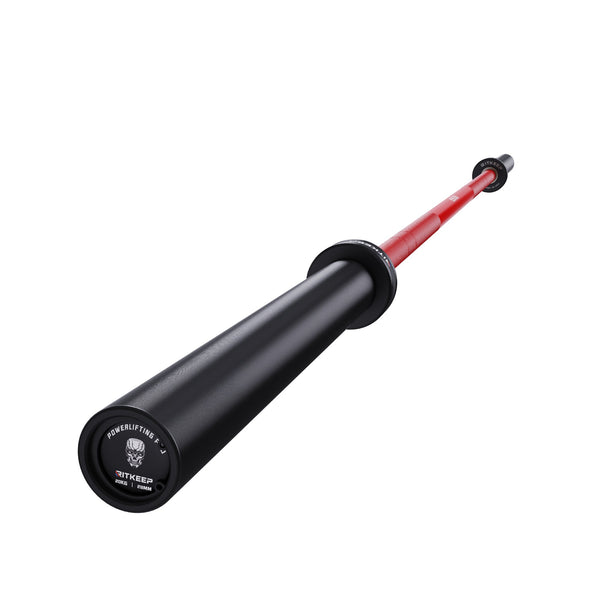
2. Barbell and Weight Plates
The barbell is the workhorse. Squats, deadlifts, bench press, rows, overhead press—a single bar and a few plates can train all major muscle groups.
How to choose plates:
- Garage or wooden floors? Bumper plates are your friend. Low bounce, floor-friendly, quieter than iron.
- Tight budget? Mix iron and bumper plates. Use bumpers for the heavier weights to protect the floor, and iron for smaller plates to save money.

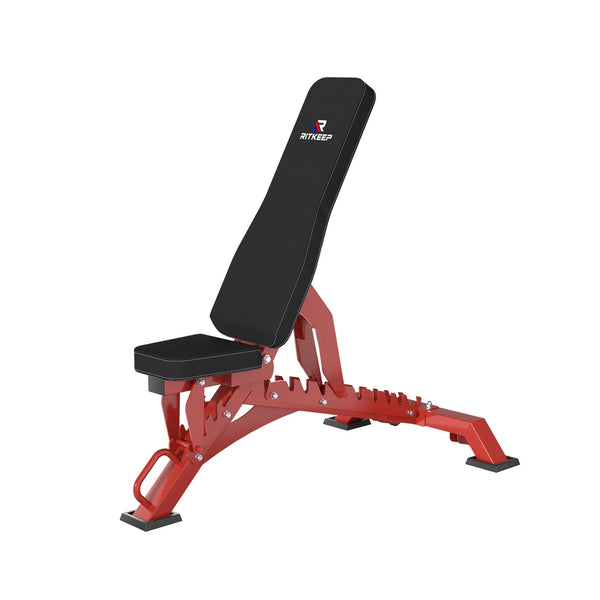
3. Adjustable Weight Bench
A solid bench enables chest work, shoulder presses, rows, and even step-ups.
Two things to check:
- Folding models save space if you need to store it away.
- If you don't plan to move it, go for a fixed bench with better stability. Look for a weight capacity of at least 300kg.
Here's a number to remember: The rack, bar, and bench cover about 80% of the exercises you'll ever need. Everything else is a bonus.

Step 4: Choose cardio carefully – most people make a mistake here
Of all home gym purchases, cardio equipment is where people most often make mistakes.
Why? Because we overestimate ourselves. The treadmill looks great in the showroom. But in your garage, it's bulky, loud, and in summer, running on it feels like sprinting in a pizza oven.
More practical options:
- Rowing Machine: Small footprint, full-body workout. Works for HIIT and steady-state. Hard to go wrong.
- Air Bike: No motor, virtually indestructible. The harder you pedal, the more resistance you get. Perfect for intensity.
- Jump Rope: Zero footprint. Ten minutes of high-intensity jumping can replace thirty minutes of jogging. And it costs less than a dinner out.
If you do opt for a treadmill, get one with good cushioning and ensure ventilation. Even better, place it near a door or window.
Simple rule: Cardio equipment should support your training, not dominate your space. If a machine makes your strength area unusable, it's the wrong machine for you.
Step 5: Add accessories last – otherwise you're wasting money
I've walked into home gyms where the owner had three types of foam rollers, five resistance bands, and a medicine ball—but no barbell.
That's backward.
Resistance bands, foam rollers, ab wheels—all useful. But only after your core equipment is in place.
Add accessories when:
- Your strength training is consistent
- You need more exercise variety to break a plateau
- Recovery becomes a bottleneck (that's when the foam roller finally makes sense)
Don't add them when:
- You haven't bought your rack or barbell yet
- You're just chasing novelty to stay interested
Accessories complement your training. They don't replace the fundamentals. Build the house before you decorate it.
Step 6: Don't ignore your environment
This step is boring. But ignoring it costs people real money.
- Temperature and Humidity: Steel in a garage can get hot enough to burn skin in summer and rust in humid conditions. Ventilation is key. As is training at cooler times of day.
- Floor Protection: Rubber flooring isn't optional if you're dropping weights. Install at least 15mm thick rubber mats in your lifting zone. Your floor—and your neighbors—will thank you.
- Durability: Equipment that looks beautiful in an air-conditioned showroom can fall apart in a garage. Choose coatings that resist rust if your gym isn't fully indoors.
Equipment that breaks in six months wasn't cheap—it was expensive. You just paid double.
Step 7: Plan storage before you buy
Here's a confession: I've seen more people regret skipping storage than any other mistake.
The equipment arrives. Weight plates get stacked in a corner. Dumbbells are scattered. Resistance bands hang like forgotten laundry over the rack.
This isn't just messy. It creates friction.
Every time you have to search for a plate, move something out of the way, or clear space, your brain registers it as effort. Over time, you unconsciously avoid the exercises that require that effort.
Three cost-effective solutions:
- A plate tree takes up minimal floor space and keeps your weights organized.
- Wall-mounted hangers keep dumbbells and bands within reach.
- A simple shelving unit collects smaller accessories.
Workout efficiency is simple: easy access + minimal searching = more workouts. Storage isn't an extra. It's part of the setup.
Step 8: What a practical home gym actually looks like
Forget the Instagram gyms with neon lights and perfectly arranged dumbbell racks. The gyms that actually get used every day look different.
A practical home gym usually has:
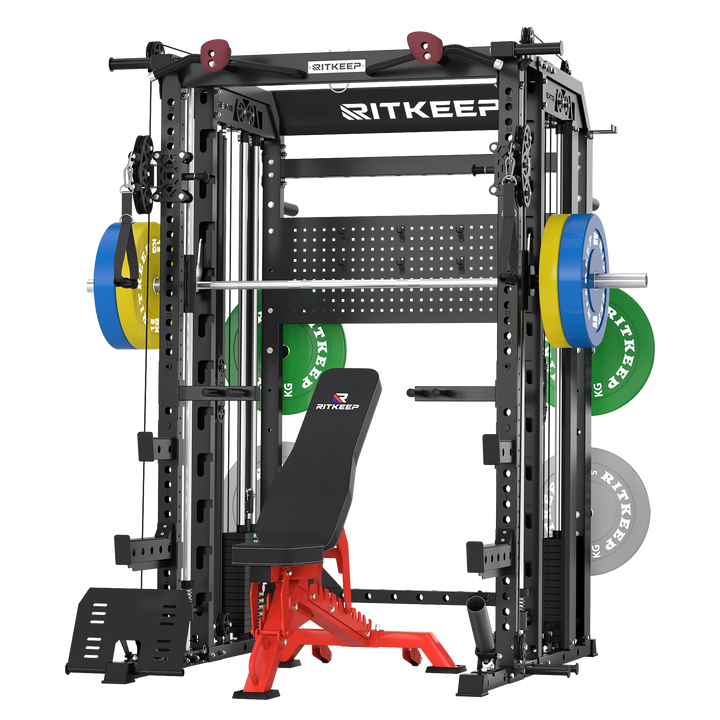
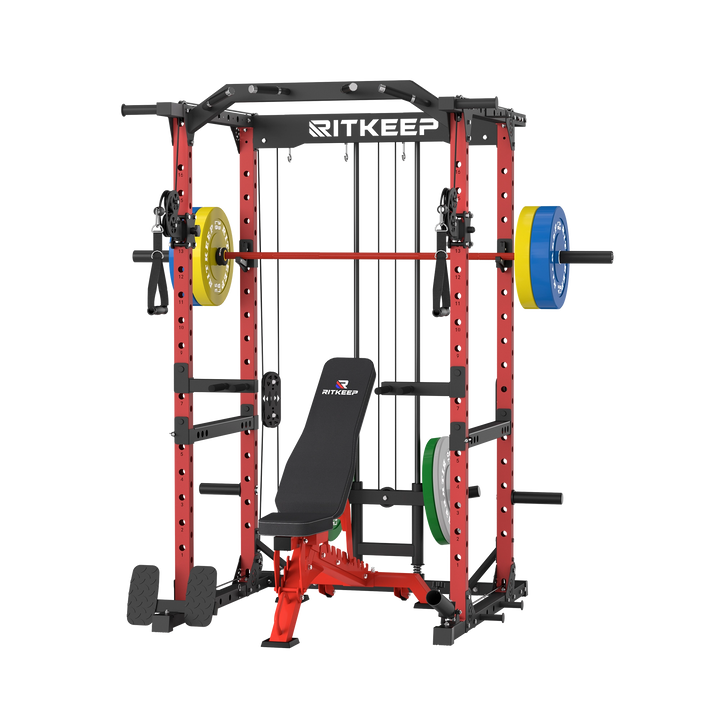
- Core Strength Area: Power rack + plates + adjustable bench
- A Cardio Nook: A compact rower or air bike (or skip it and use a jump rope)
- A Storage Wall: Plate tree, dumbbell rack, wall hangers
- Floor Protection: Rubber mats under the main lifting area
- Clear Floor Space: At least 2 meters by 2 meters of clear floor to move freely
That's it.
If you build within this framework, your gym will support you from your first workout to your thousandth. Progress doesn't come from swapping out equipment—it comes from progressing within a framework that works.

Budget Reference: What costs should you expect?
| Level | Core Equipment | Estimated Cost |
|---|---|---|
| Entry-Level | Adjustable dumbbells + bench + yoga mat + jump rope | $400 – $800 |
| Foundation | Power rack + plates + adjustable bench | $2,000 – $3,500 |
| Advanced | Commercial-grade rack + full plate set + adjustable bench + one cardio machine | $4,000 – $7,000 |
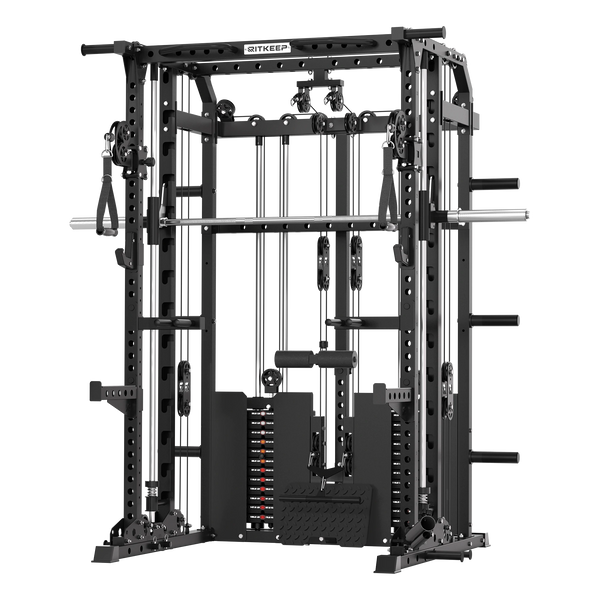
| Premium | Previous + functional trainer + full accessories + commercial-grade flooring | $8,000 – $15,000 |
Here's what most people find: The "Foundation" or "Advanced" level meets all the training needs they actually have. Going all-in from the start rarely leads to better results than building slowly and upgrading intentionally.
Frequently Asked Questions (FAQ)
- Q: New or used?
- A: For racks and barbells, used can save money if the condition is good. For anything with moving parts or adjustment mechanisms—like adjustable benches—buy new. Stability and safety are more important than the discount.
- Q: I have almost no space. Is a home gym even possible?
- A: Absolutely. Adjustable dumbbells + a folding bench + resistance bands + a jump rope can provide a full-body workout in less than one square meter.
- Q: Do I need professional installation?
- A: For power racks and heavy equipment, bring in a second person. Some brands offer installation services. Never try to assemble heavy components alone—safety first.
- Q: Strength or cardio – what should I buy first?
- A: Strength. If you can only choose one, strength training supports muscle building, metabolic health, and body composition. Cardio can be covered with outdoor running or a jump rope until you're ready to add more.
Conclusion: Build a gym you want to train in
What matters in the end isn't how much you spent, isn't how impressive your equipment looks in photos, but how often you actually go into that space.
A well-designed home gym does three things:
- It puts the equipment within reach, removing friction before it can erode your motivation
- It leaves room for movement, never making you feel cramped or cluttered
- It supports where you are now, and leaves space for where you're going
It doesn't have to be Instagram-worthy. It just has to work.
If you're planning your first home gym or expanding an existing one, walk through these eight steps before spending a single dollar. A few hours of planning will save you more money—and more frustration—than buying the wrong equipment first and regretting it later.
Build with intent. Train with consistency. And create a space you actually want to work out in.