

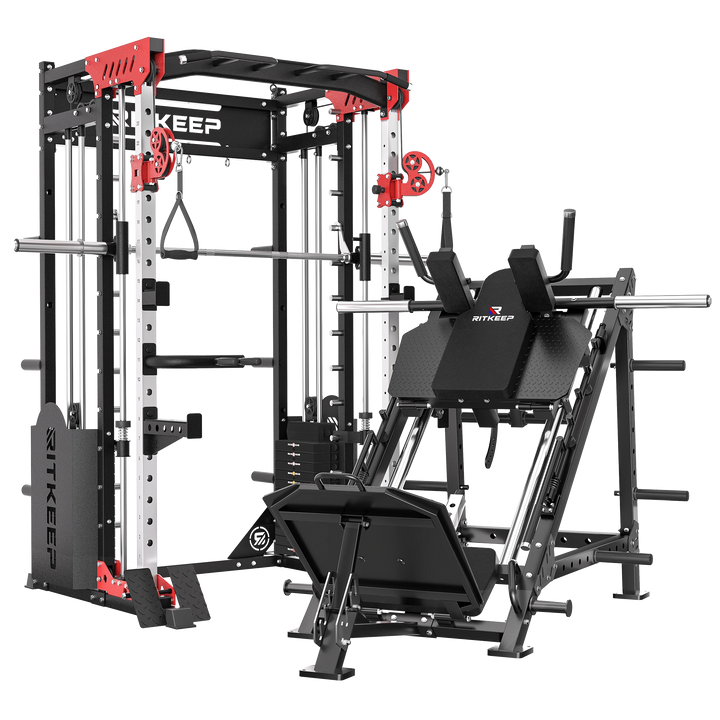
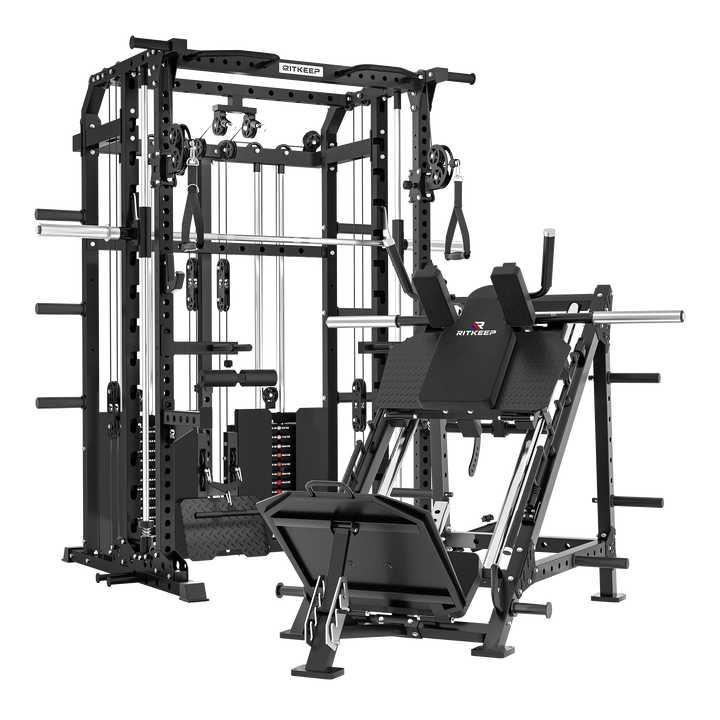
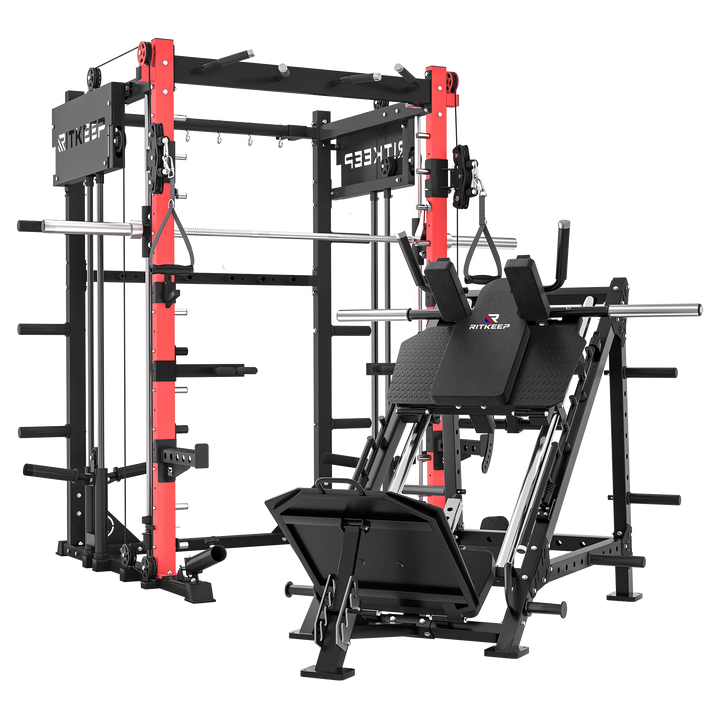




Build Full-Body Strength Safely with the M10 Destroyer Power Rack: 6 Essential Exercises
Do you want to build real strength at home? Forget half a dozen dumbbells. Get a power rack. Here's why.
You know the feeling? You're in the middle of a squat at home, you go into the deep position, and suddenly – you realize you can't get back up.
In that fraction of a second, what do you do? Throw the bar forward and smash the floor? Throw it back and shatter a mirror? Or just drop to your knees and let the bar slowly slide onto your neck?
The scariest part? You're alone. No one will help you.
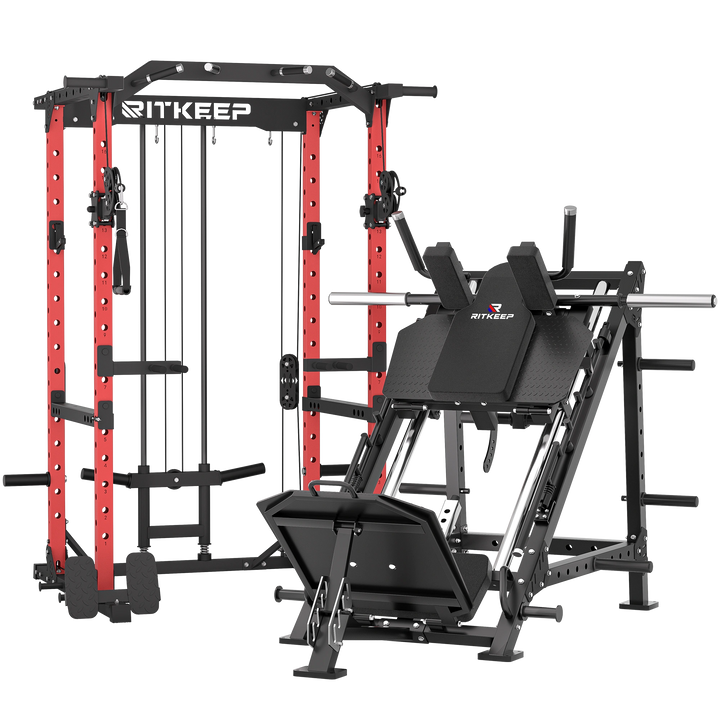
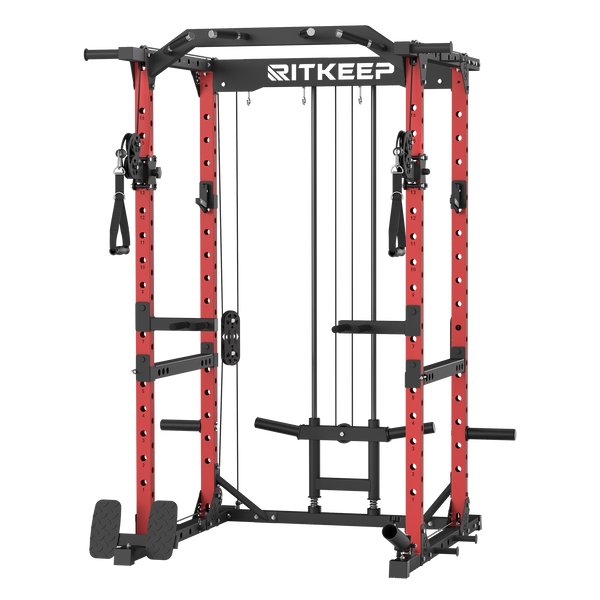
Today, we're not talking about fancy equipment or those "10-minute tummy tuck" shortcuts. We're talking about something real: how to safely and effectively build real full-body strength at home with a single piece of equipment – the M10 Destroyer Power Rack.
Here's what I'll cover: why a power rack is a better investment than a set of dumbbells, how to perform 6 basic barbell exercises with absolute safety, the simple strategies for progressive overload that guarantee you'll get stronger, and the 5 biggest beginner mistakes (and how to avoid them).
Introduction: Why Your "Home Gym" Is Collecting Dust
Three years ago, I bought a set of adjustable dumbbells. I promised myself I'd get into the best shape of my life. The result? The dumbbells collected dust for two years, and I couldn't even keep up with a celebrity's personal assistant, let alone the celebrity themselves.
What went wrong? It wasn't a lack of effort. It was a limitation of my equipment.
Dumbbells are great, until you try to squat heavy. Suddenly, you're holding two massive weights, your arms giving out before your legs even feel the strain. Want to bench press? Without a rack, you'll never dare to load the bar. Want to deadlift? You worry about your floor and the neighbors below you.
You don't need more equipment. You need a platform that allows you to safely handle weights.
That's the value of a power rack. And the M10 Destroyer Power Rack is the foundation that will take you from a complete beginner to a truly strong person – all in the safety of your own home.
1. Barbell vs. Power Rack: Why "Working Out" and "Working Out Safely" Are Two Different Things
Let's address the core question: Why is a power rack essential for home strength training?
Many people think buying a barbell and some weight plates is enough. And technically, it is – you can work out. But how long will you keep going? How strong will you actually get?
The answer depends entirely on how much risk you're willing to take.
Consider the squat. Once you have 135 pounds on your back, your brain sends a signal: If I go down, what if I can't get back up? This fear limits your depth, your form, and ultimately, your progress.
Now, imagine you have a power rack with safety arms. Your brain knows that even if you fail, the bar will land on those safety arms, not on you. This sense of security allows you to push your limits, hitting that last rep when you're fatigued.
That's the core value of a power rack: It doesn't make you train fancier; it makes you train harder.
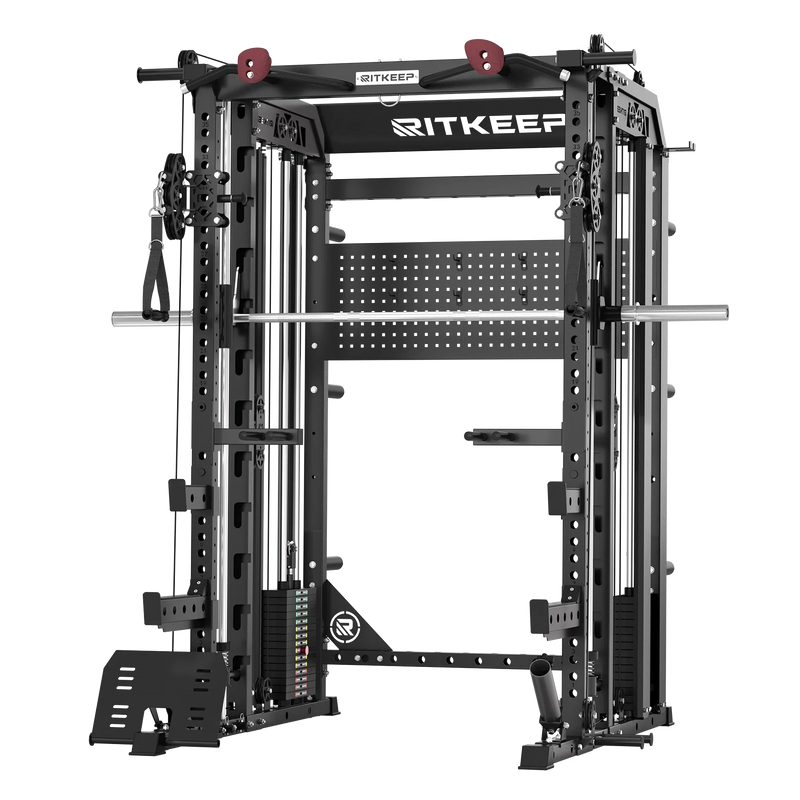
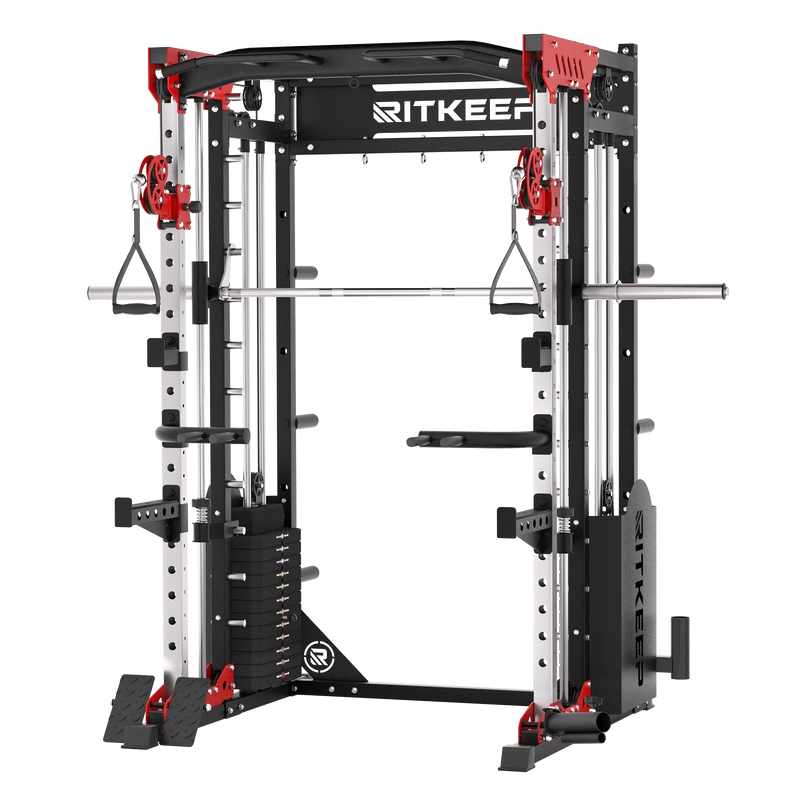
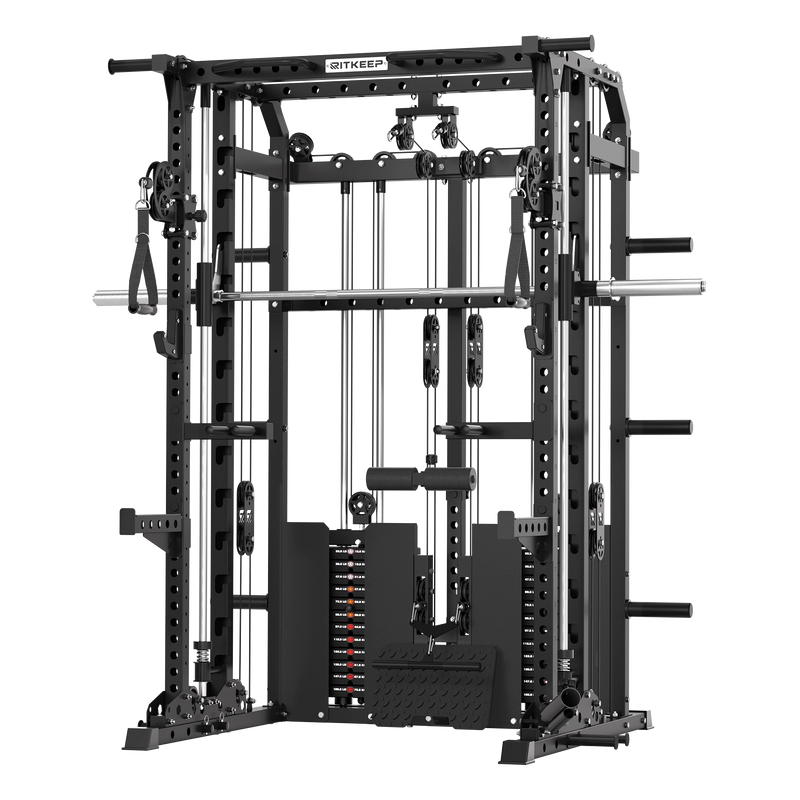
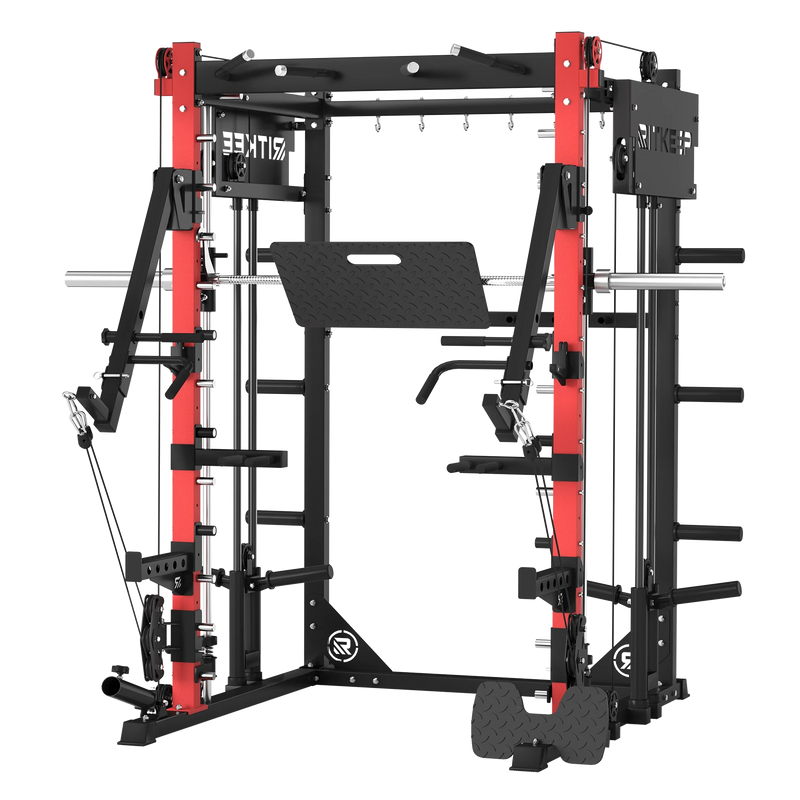
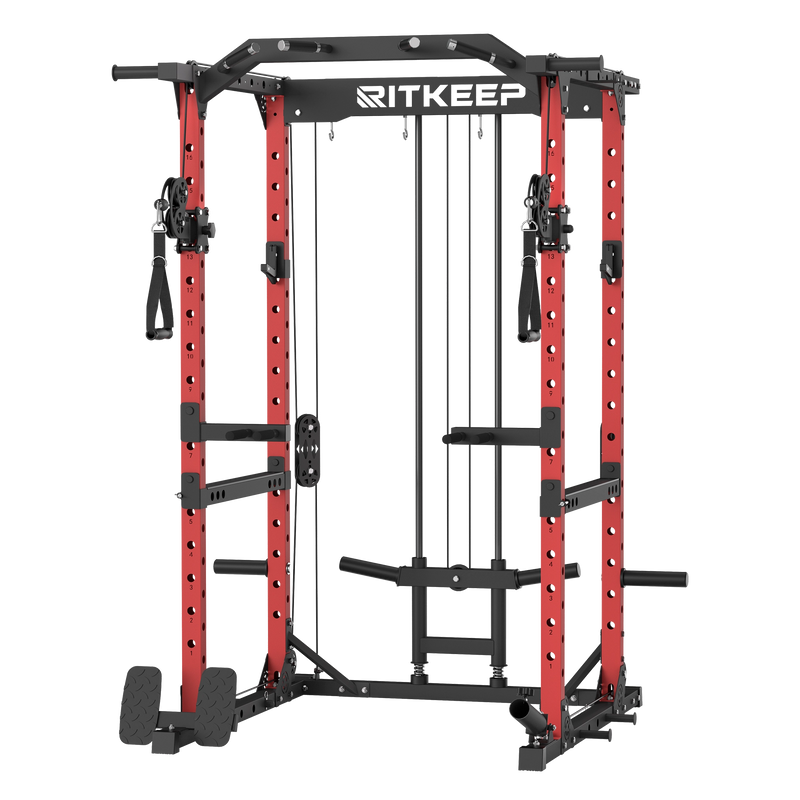
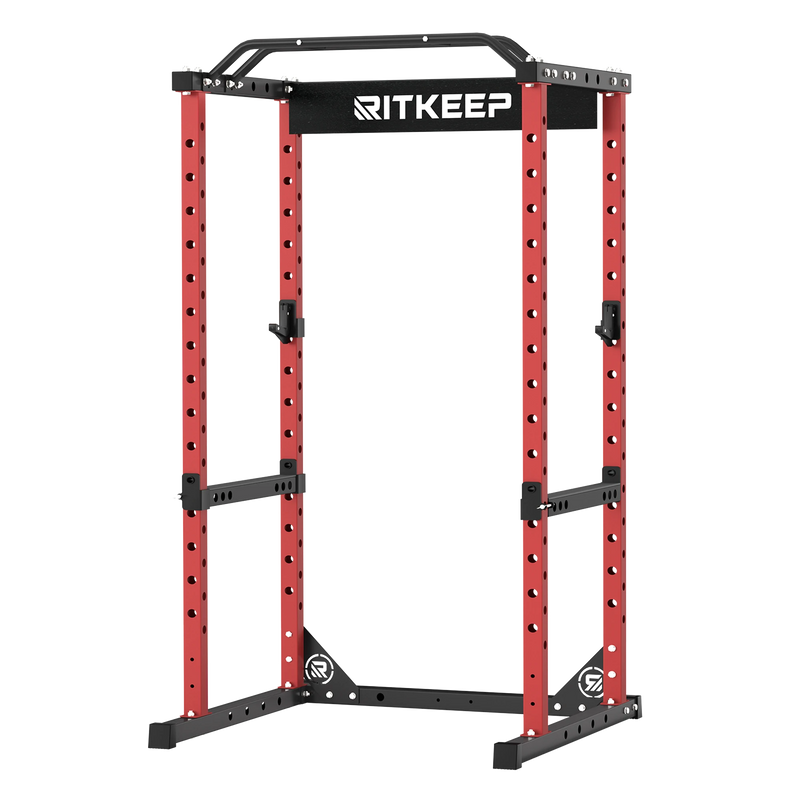
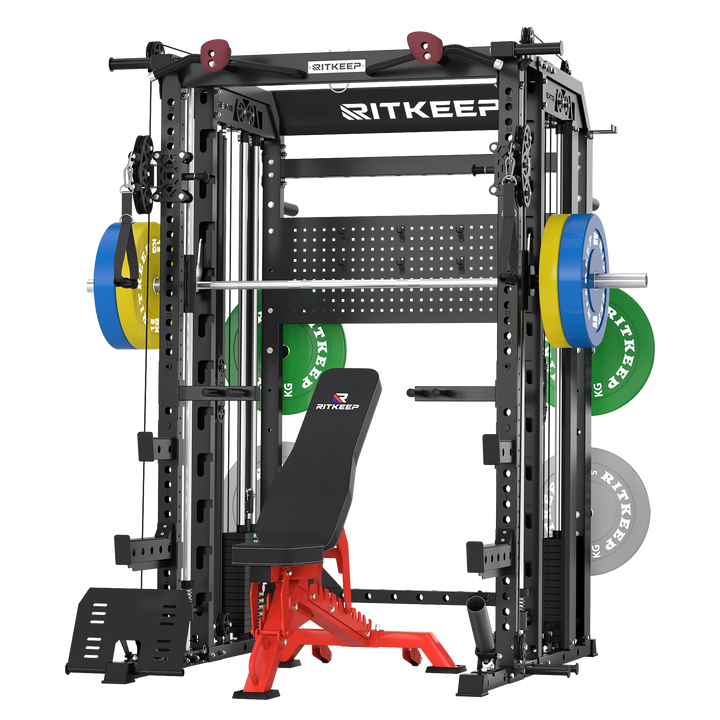
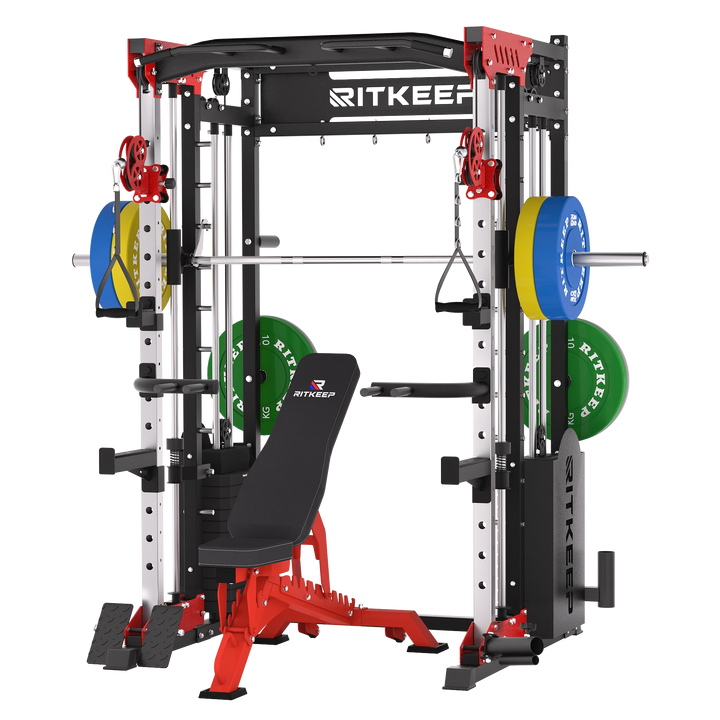
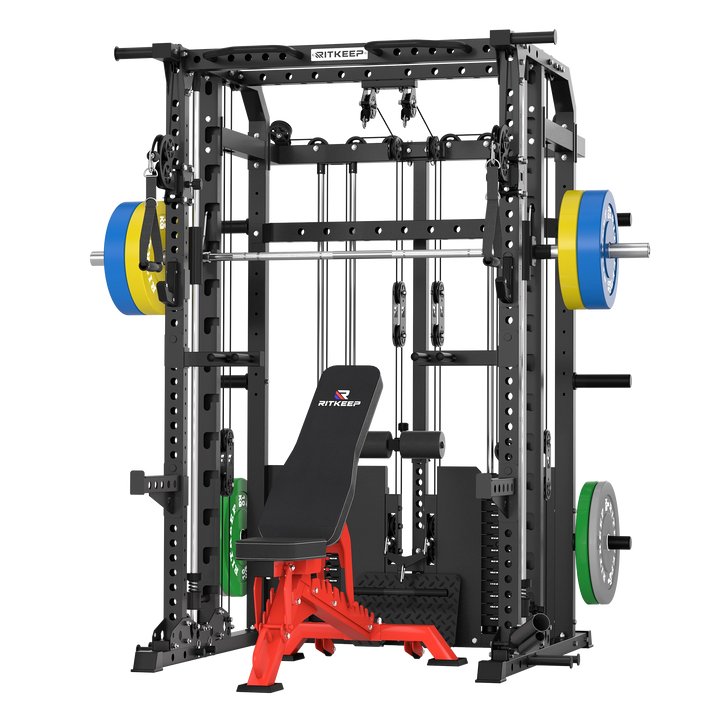
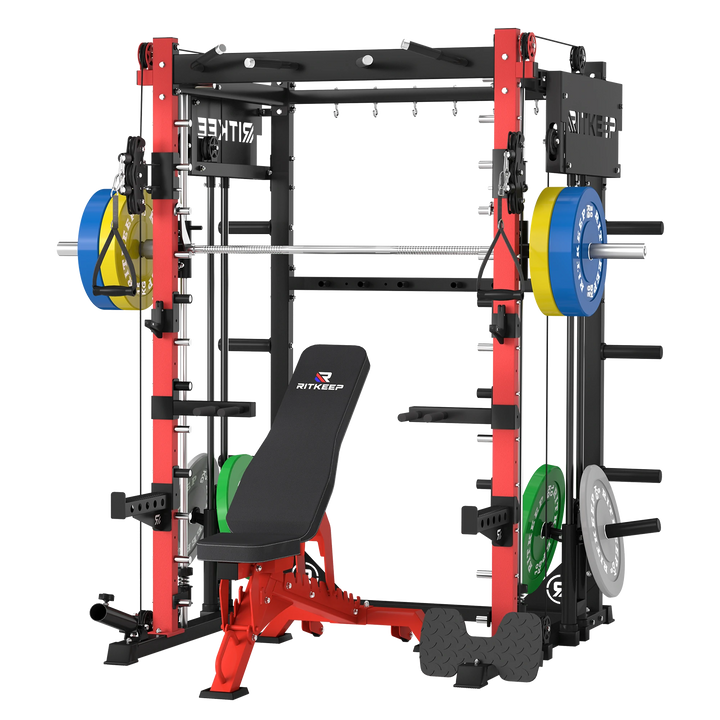
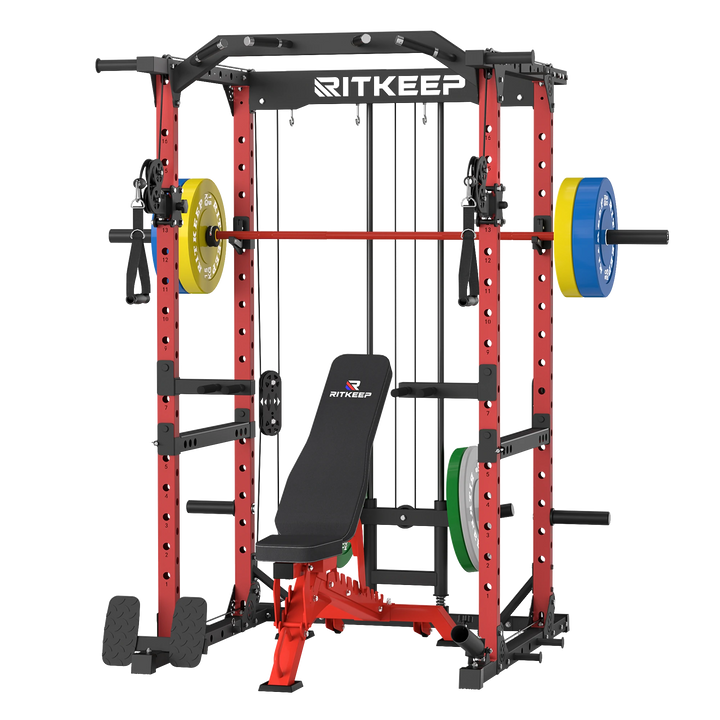
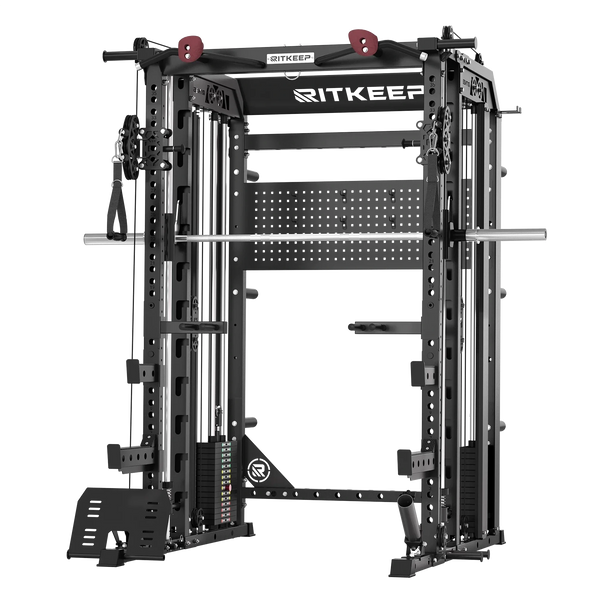
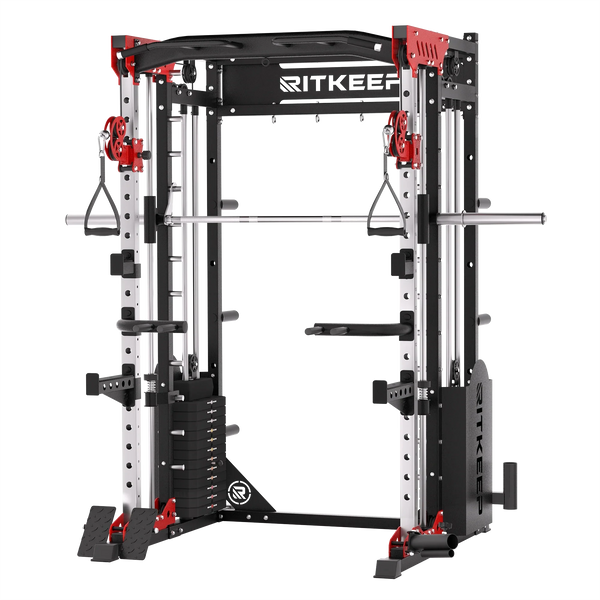
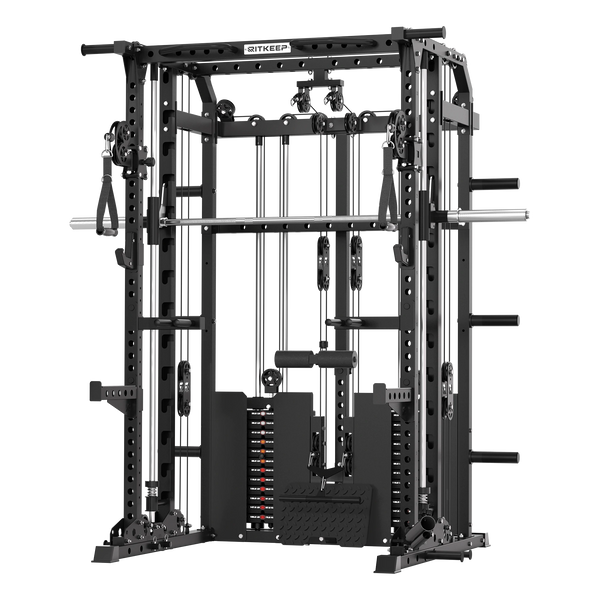
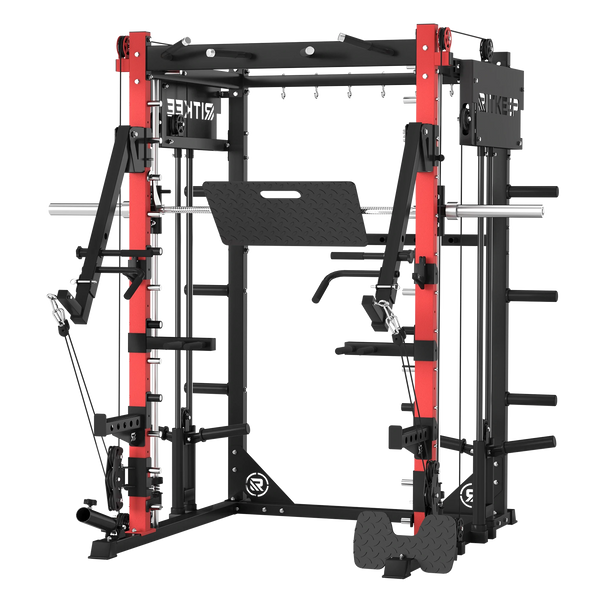
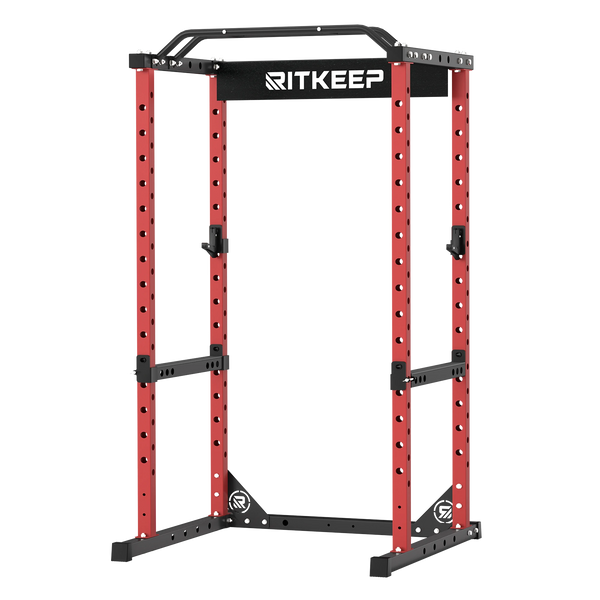
The M10 Destroyer is designed with this philosophy. Here's how its key features impact your training:
| Feature | Function | Impact on Your Training |
|---|---|---|
| Safety Arms | Height-adjustable, catches a failed lift | You go heavier. You train to muscle failure. |
| J-Hooks | Stable bar storage | Easy racking; you save energy for the exercise. |
| Multi-hole Adjustment | Accommodates different heights and exercises | One rack works for the whole family. |
| Cable Pulley System | Expands exercise options | From barbell to cables – full functionality. |
Unlike standard power racks that require a separate, space-hogging cable attachment, the M10 Destroyer's integrated cable pulley system delivers a full-fledged cable machine experience – face pulls, tricep pushdowns, seated rows – without taking up a single extra square foot of floor space.
Simply put: buying a power rack is like installing an airbag for your strength training.
2. The 6 Foundational Barbell Exercises for Full-Body Strength
This program covers all essential human movement patterns: pressing, pulling, squatting, and hip hinging. Train 2-3 times a week, and you'll feel the difference.
1. Barbell Overhead Press
Target Muscles: Shoulders (deltoids), triceps, core
The Setup:
- Grip slightly wider than shoulder-width, palms facing forward, forearms vertical.
- Unrack, feet shoulder-width apart or in a staggered stance.
- Press the bar straight up from your collarbone until your arms are locked out.
The Key Detail: Brace your core. Do not arch your lower back.
The Mistake: Many people arch their back to move the weight. If you can't press it without arching, lighten the weight. Your lower back is not a shoulder muscle.
🔹 FOR BEGINNERS: Start with just the barbell. Master the movement pattern before adding weight.
🔸 FOR ADVANCED: Add a 1-second pause at the top of each rep to eliminate momentum and increase time under tension.
🎯 SENSITIVE SHOULDERS? If you feel pinching or discomfort in the front of your shoulder, try widening your grip by half an inch on each side. Alternatively, switch to dumbbells, which allow a more natural path of motion.

2. Free Barbell Back Squat
Target Muscles: Quadriceps, glutes, hamstrings
Safety Setup:
- In the M10, set the safety arms just below your deepest squat position.
- How to properly set safety arms: With the bar on your back, get into your deepest, comfortable squat position. The safety arms should be positioned about 2-3 inches below the bar. This ensures they don't interfere with your normal reps but will catch the bar immediately if you fail.
- Unrack the bar. Place it on your upper traps (high-bar) or rear deltoids (low-bar).
- Squeeze your shoulder blades together to create a stable shelf.
The Execution:
- After unracking, take 1-2 steps back. That's it. Don't walk a mile.
- Let your knees track over your toes.
- Drive up through your heels. Imagine pushing the floor away.
Pro Tip: The fewer steps you take, the closer you are to your safety arms. A long walk-out is just wasted energy and a bigger risk.
🔹 FOR BEGINNERS: Start with goblet squats or box squats to learn the pattern before loading the barbell.
🔸 FOR ADVANCED: Use a 3-second eccentric phase (lowering) to increase time under tension and promote more growth.

3. Barbell Curl (Biceps)
Target Muscles: Biceps
The Execution:
- Grip the bar about shoulder-width apart.
- Keep your elbows tucked into your sides. They don't move.
The Key Detail: Don't fully straighten your arms at the bottom. Maintain a slight bend in the elbow.
Why this matters: When your arm is fully straightened, the tension shifts from the biceps muscle to the elbow tendon. A slight micro-bend keeps constant tension on the muscle, where it belongs. Every rep becomes more effective.
🔹 FOR BEGINNERS: Use an EZ-bar if the straight bar causes wrist discomfort.
🔸 FOR ADVANCED: Add a 2-second negative (lowering) phase to each rep.

4. Romanian Deadlift (RDL)
Target Muscles: Hamstrings, glutes, lower back (the posterior chain)
Preparation:
- If performing this in the M10 rack, remove the weight storage pins for more space.
- Use rubber flooring to protect your subfloor.
The Execution:
- Keep the bar close to your legs – it should almost scrape your shins and thighs.
- Push your hips back. Feel the stretch in your hamstrings.
- Maintain a straight back. To stand up, drive your hips forward.
Programming Note: Do not perform heavy squats and heavy conventional deadlifts on the same day. The combined stress on your lower back and central nervous system is too much. A better split: squat day + RDLs. Deadlift day + leg press or front squats.
🔹 FOR BEGINNERS: Use a lighter weight and focus on the hip-hinging pattern. Think: "Push your butt to the wall behind you."
🔸 FOR ADVANCED: At the bottom of each rep, pause for 2 seconds in the stretched position to maximize hamstring activation.

5. Bent-Over Barbell Row
Target Muscles: Lats, rhomboids, traps (back thickness)
The Execution:
- Hinge forward about 45 degrees, keeping your back straight.
- Pull the bar towards your lower abdomen, squeezing your shoulder blades together.
- Brace your core to prevent your torso from wobbling.
Advanced Exercise: Use the M10's landmine attachment for T-bar rows. This offers a more natural range of motion and is easier on the lower back.
🔹 FOR BEGINNERS: Use a chest-supported row machine or dumbbell rows with one knee on a bench to learn the movement without lower back strain.
🔸 FOR ADVANCED: Add a 1-second squeeze at the top of each rep. Focus on pulling with your back muscles, not your arms.

6. Flat / Incline Barbell Bench Press
Target Muscles: Chest, triceps, anterior deltoids
Safety Setup:
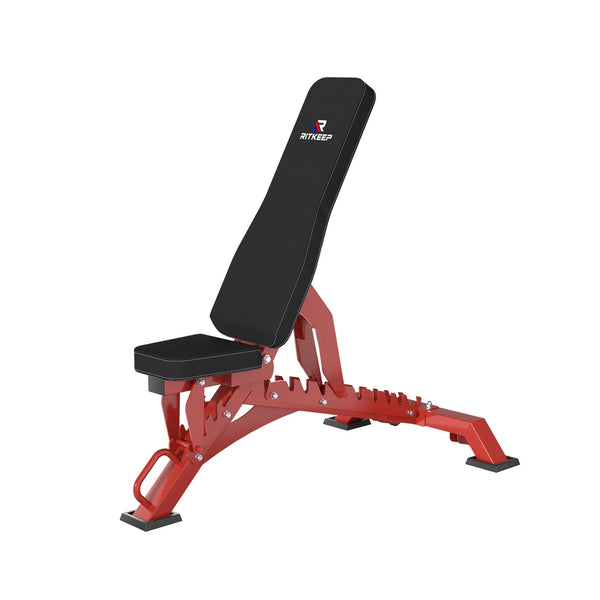
- Use a high-quality adjustable bench like the RAB-3000.
- Safety arm position: Set them directly below your chest at the bottom of the rep.
How to fail safely: When you hit muscle failure, don't panic. Keep your core braced, slowly lower the bar to your chest, then roll it towards your neck. The bar will hit the safety arms. Once it's resting on the safety arms, simply slide out from underneath.
Variation: Close-Grip Bench Press
- Grip the bar shoulder-width apart, elbows tucked close to your body.
- This shifts the focus from your chest to your triceps – a key exercise for bigger arms and a stronger lockout.
🔹 FOR BEGINNERS: Start with dumbbell presses to build stability before transitioning to the barbell.
🔸 FOR ADVANCED: Add a 1-second pause on the chest to eliminate the stretch reflex and build explosive power from the bottom position.

🎯 SENSITIVE SHOULDERS? If you feel discomfort in the front of your shoulder during bench press, slightly widen your grip or switch to dumbbells for a more joint-friendly option. The independent movement allows your shoulders to follow a natural path.
Why Safety Arms Are Non-Negotiable: Imagine failing a 225-pound bench press at 6 AM in your garage. The bar is on your chest. No safety arms? Your only option is to scream for help. This isn't a joke; it's a real scenario that happens every day. Don't be that person.
3. Programming: How to Use This Rack for Progressive Overload
You have the equipment. You know the exercises. Now for the crucial question: How do you ensure you continuously get stronger?
The answer is progressive overload – systematically increasing the stress on your muscles over time.
With the M10 Destroyer's safety features, you can implement these proven strategies without fear.
Strategy 1: Linear Progression
- For: Beginners and intermediates.
- The Method: Add 5-10 lbs (2.5-5 kg) to your squat or bench press each week, as long as you can maintain good form.
- Why it's safe: When you eventually hit a weight you can't handle, simply lower the bar to your chest and roll it towards your neck. The safety arms will catch it. Zero risk.
Strategy 2: Volume Accumulation
- For: Those focused on muscle size (hypertrophy).
- The Method: After your main barbell exercises, use the M10's cable pulley system for high-rep exercises like cable flyes or triceps pushdowns. This increases overall training volume without the added spinal compression of heavy barbells.
Strategy 3: Variation to Break Plateaus
- The Method: Use the J-hooks to change your range of motion. Perform rack pulls (deadlifts from above the knee) or box squats. These variations allow you to overload specific weak points of your lift, thus breaking a plateau.
Weekly Training Plan (3 Days/Week)
Here's a ready-to-use template to get you started. Adjust weights based on your current strength level.
| Day | Main Exercise (Strength) | Secondary Exercise (Volume) | Accessory Exercise (3 sets each) |
|---|---|---|---|
| Monday | Barbell Squat: 3x5 | Romanian Deadlift: 3x8 | Face Pulls 3x15, Plank 3x45s |
| Wednesday | Flat Barbell Bench Press: 3x5 | Bent-Over Barbell Row: 3x8 | Barbell Curl 3x10, Tricep Pushdowns 3x12 |
| Friday | Barbell Overhead Press: 3x8 | Pull-ups (or Lat Pulldown): 3x8-10 | Cable Flyes 3x12, Hanging Leg Raises 3x10 |
How to Progress:
- Weeks 1-4: Focus on mastering form. Add 5-10 lbs (2.5-5 kg) to main exercises weekly.
- Weeks 5-8: Increase accessory volume (add 1-2 reps per set) before increasing weight.
- Weeks 9+: Vary exercises (e.g., switch from flat to incline bench press for 4 weeks) to avoid plateaus.
4. Frequently Asked Questions
Q: My biggest fear is getting pinned by the bar. Will the M10 solve this problem?
A: Yes. That is a rack's primary function. As long as you set the safety arms correctly – below your lowest position, but above your body – a failed lift is a non-event. The bar lands on the arms, and you walk away unscathed.
Q: You mentioned not to do squats and deadlifts on the same day. Why?
A: Both lifts place a tremendous load on your central nervous system and lower back. Doing both with high intensity in one session is a recipe for overtraining and injury. A better approach is to pair squats with RDLs (which target hamstrings more) and deadlifts with a squat variation like front squats or leg press.
Q: Besides the barbell and the rack, do I need other equipment?
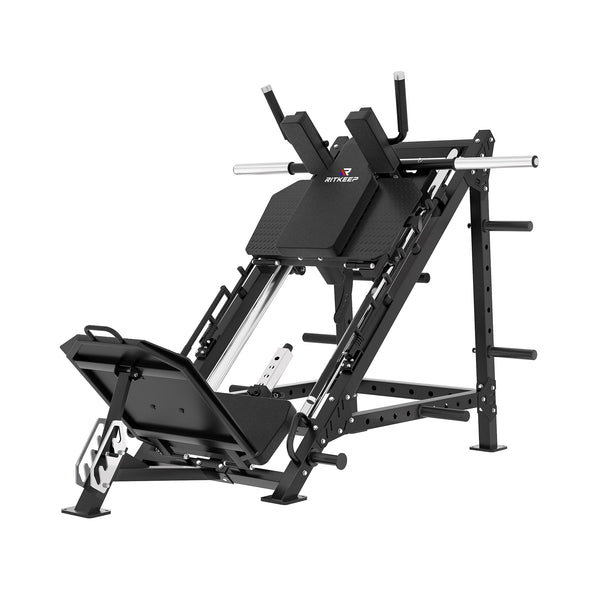
A: For muscular balance and joint health, yes. While the barbell is paramount for strength, you should also leverage the M10’s cable pulley system for pulling movements like face pulls and seated rows, and the pull-up bar for chin-ups and dips.
Q: What type of flooring do I need for the M10?
A: I recommend 3x4 ft rubber mats (about 0.5 inches thick). This is sufficient to protect your floor for deadlifts and squats, and they are easy to move around. You’ll only need 0.75-inch thick mats if you plan on doing Olympic weightlifting movements like snatches and clean and jerks, where you drop the bar from an overhead position.
Q: How long will it take for me to see results?
A: If you consistently train 2-3 times per week, follow a progressive overload plan, and consume enough protein (aim for 1.6 grams per kg of body weight), you’ll feel a noticeable increase in strength after 4-6 weeks. Visible changes to your physique typically occur after 8-12 weeks.
5. Conclusion: The Best Equipment Is What Allows You To Push Your Limits
Let's circle back to the original question: What do you really need to build strength at home?
It's not the most expensive gear. It's not the most complicated training plan.
It's a platform that allows you to train safely, confidently, and with intensity.
The M10 Destroyer Power Rack is that platform. It's not just a metal frame to hold a barbell. It's a complete home gym system built on a foundation of safety, functionality, and space efficiency.
- With it, you can push your limits, not fear them.
- With it, you can train systematically, not randomly.
- With it, you can turn the desire to "get fit at home" into a reality.
If you want to dive deeper into the M10 Destroyer’s specs, click the link below. And if you're curious about how to leverage its cable pulley system for even more exercises, stay tuned for our next guide.
Remember: Strength isn't built overnight. But it begins the moment you unrack the bar, knowing you're safe.
References
- PubMed (2025). Individual muscle hypertrophy response is affected by the overload progression model and is associated with changes in satellite cell content. This study aimed to compare individual hypertrophic responses to resistance training in which overload progressed either by adjusting the load (LOADProg) or by increasing the number of repetitions (REPSProg). Read article.
- PubMed (2025). Effects of Intensity and Fatigue on the Kinetics and Kinematics of the Barbell Squat, Bench Press, and Deadlift in Experienced Lifters: A Systematic Review. This systematic review aimed to identify consistent, observable changes in kinetic and kinematic variables in experienced lifters during the back squat, bench press, and deadlift under conditions of increasing intensity and fatigue. Read article.
- American National Standards Institute (ANSI). (2024). ISO 20957-2:2024—Stationary Training Equipment – Part 2: Strength Training Equipment – Additional Specific Safety Requirements and Test Methods. This document is applicable to stationary strength training equipment with stacked weight resistance or alternative means of resistance, such as elastic cords, hydraulic, pneumatic, electrical, magnetic, springs and externally loaded weights. Read article.
- PubMed (2022). Progressive overload without progressing load? The effects of load or repetition progression on muscular adaptations. This study aimed to compare the effects of two resistance training programs: (1) increasing load while keeping repetition range constant vs (2) increasing repetitions while keeping load constant. We aimed to compare the effects of these programs on lower body muscle hypertrophy, muscle strength, and muscle endurance in resistance-trained individuals over an 8-week study period. Read article.